Small Living Room, Big Impact: A Seasonal Refresh for Autumn Evenings
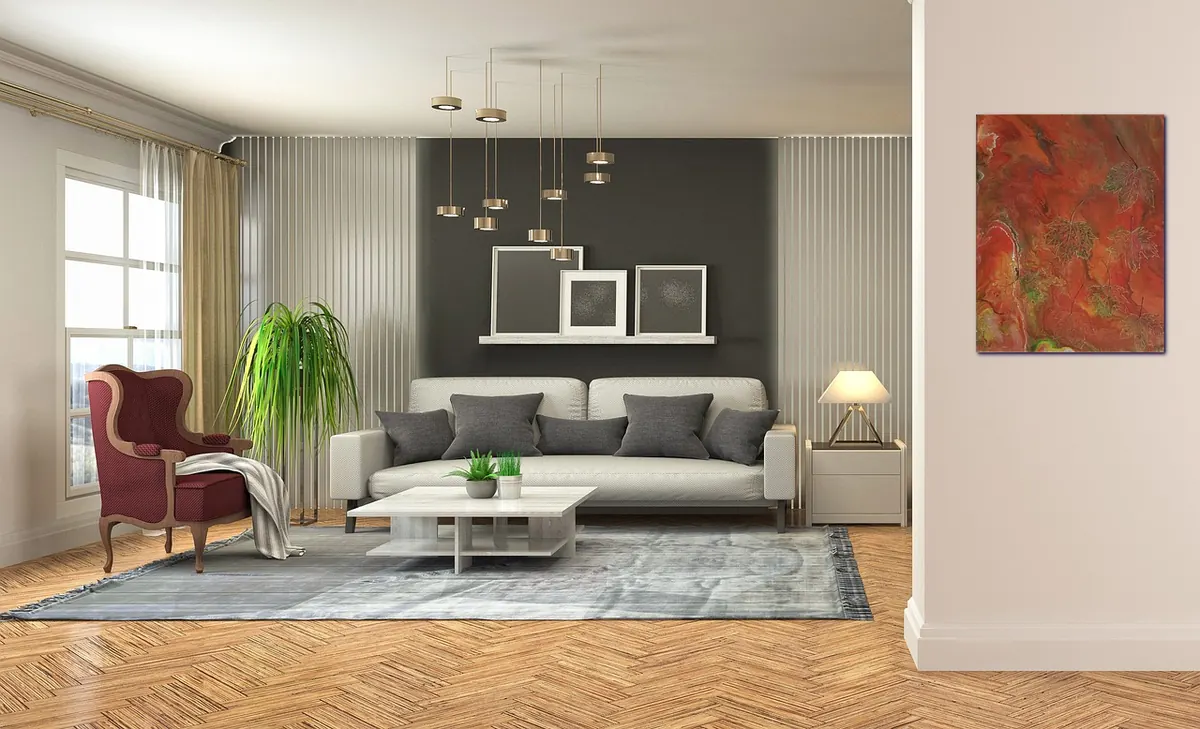
Autumn changes the way a small living room is used. In July, it is a passage between the kitchen and the garden; by late October, it is the whole evening. Curtains close at half past five, the lamps go on, and a space that was easy to overlook in daylight suddenly has to carry every conversation, every cup of tea and every quiet hour until bedtime.
The good news for anyone with a compact room is that small spaces respond to seasonal change faster than large ones. You do not need new furniture, a builder or a budget. You need warmer light, deeper texture, a slightly rethought arrangement and the discipline to take a few things out before you put anything else in.
Start With the Light
Before you move a single cushion, deal with the light. A small room lit by one ceiling fixture in the middle of the ceiling tends to look flat and slightly institutional — bright at the centre, dim at the edges, with everything cast in shadow from above. Autumn evenings call for something lower and gentler.
Aim for three light sources at three different heights: a floor lamp near a chair, a table lamp on a sideboard or shelf, and something small and low — a candle, a lantern, a battery lamp on a stack of books. Switch on the table and floor lamps first and see whether you need the overhead light at all. In most compact rooms, you do not.
Small adjustments with a visible effect
- Swap cool-white bulbs for warm ones, ideally around 2700K. It is one of the cheapest changes you can make and the difference is immediate.
- Add an inline dimmer to a plug-in lamp so the evening can move from bright to soft without anyone getting up.
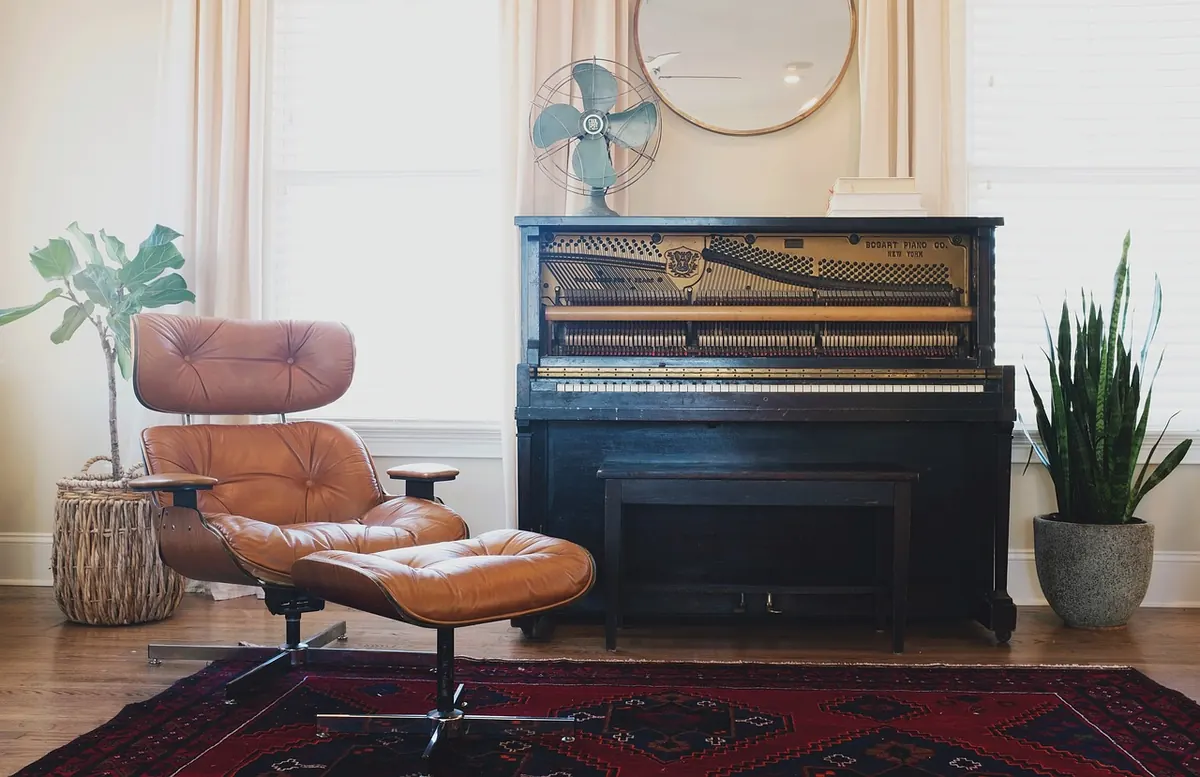
- Move a mirror so it faces a light source rather than a blank wall — it will bounce warmth back into the room instead of doubling the gloom.
- Keep candles on a stable, non-flammable surface, well away from curtains, throws and dried foliage, and never leave them burning in a room you have left.
Layer Texture Rather Than Furniture
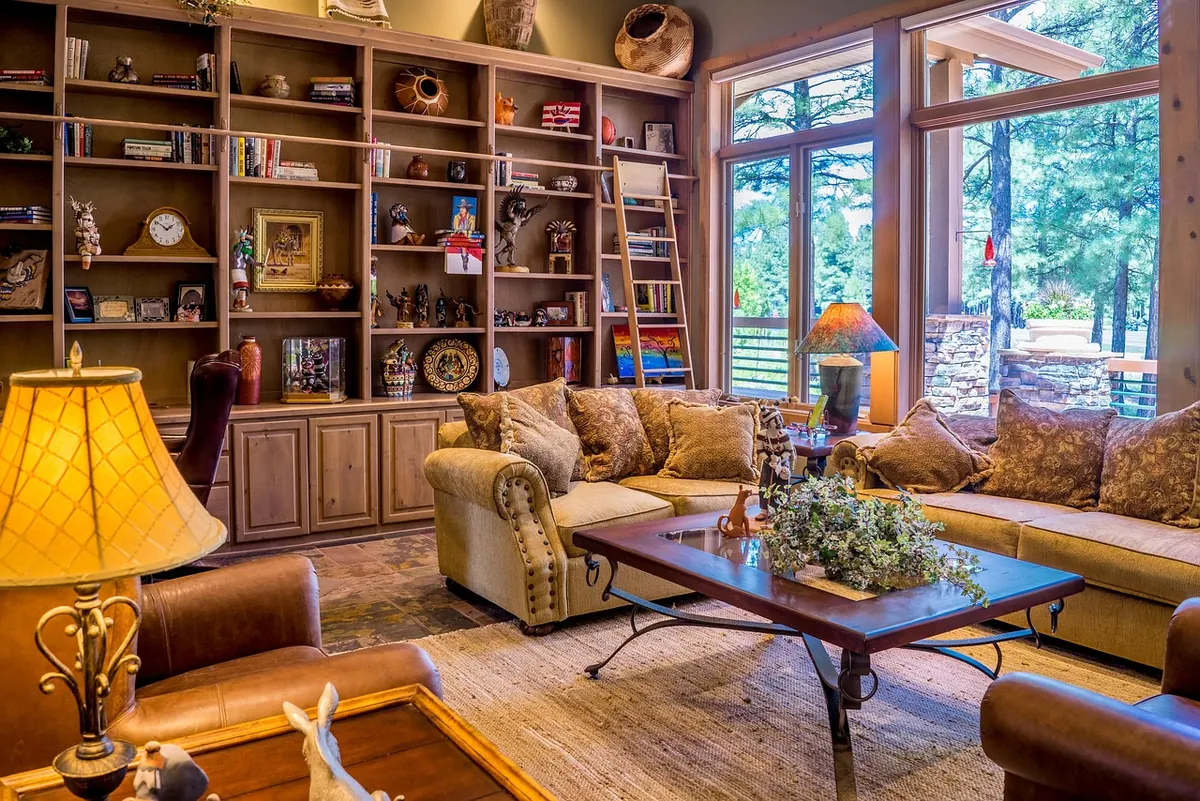
Warmth in a small room comes mostly from what you put your hands on. Bare floors, smooth walls and shiny surfaces read as cool, whatever the colour. Texture is what changes that, and texture is something you can add in an afternoon without losing an inch of floor space.
Think in contrasts: a chunky wool throw against a smooth linen sofa; a bouclé cushion beside a velvet one; a matte ceramic lamp base under a plain paper shade. If your sofa is pale and flat, one heavy throw draped over the arm will do more than a whole new scheme. If the floor is cold, a second rug laid over the first — slightly offset, so both edges show — adds depth and keeps feet off bare boards.
Low-effort texture swaps
- Cushion covers in wool, brushed cotton or corduroy, kept to two or three so the seating still seats people.
- A heavier curtain in front of a light blind; you keep the daylight and lose the draught.
- A knitted or crocheted blanket in a basket rather than folded on the sofa, so it is easy to reach and easy to tidy.
- One small tray under a lamp and a mug, which gives a loose collection a defined edge.
Use Deep Colour in Small Doses
There is a persistent idea that small rooms must stay pale. Pale walls help, but a room that is only pale can feel thin once the light drops. The trick is to keep the large surfaces light and let the small, replaceable things go dark and saturated.
Rust, ochre, olive, deep chocolate, plum, warm cream: choose two and repeat them. A cushion, a lampshade, a framed print above the sofa, a stack of books — three appearances of the same tone is enough for the eye to read it as a scheme. Swap the cushion covers and the lampshade rather than repainting, and store the summer versions flat in a box under the bed.
If you want darkness on a wall, choose the smallest wall in the room — a chimney breast, an alcove, the wall behind a shelf — rather than the one opposite the window. Keep the window wall light so the last of the afternoon comes in without being swallowed.
Rearrange for the Evening, Not the Daytime
Most small living rooms are arranged around a television or a view. In autumn, the centre of gravity shifts to wherever two people can sit facing each other with a mug within reach. That usually means pulling the seating a little away from the walls and angling a chair inwards.
Try the sofa as it is and move one armchair so it sits at a slight diagonal rather than parallel. Add a small side table — a stool will do — between two seats so drinks are not balanced on the floor. Keep a clear path from the door to the window; in a compact room, an obvious route makes the whole space feel larger than any mirror can.
If you cannot walk through the room without turning sideways, something is in the wrong place — and it is usually a piece of furniture doing a job a shelf or a basket could do.
Bring the Season Inside
You do not need a florist. A few branches cut from the garden, a bunch of dried grasses in a tall vase, a bowl of pears on the table, a small squash on a stack of books: these are the things that make a room feel dated to the calendar rather than to a catalogue. Change the water on branches every few days and they will last for weeks; dried stems need nothing at all but should be kept away from candles.
Keep the arrangement small and low if the room is small. A tall, wide bouquet on a narrow table blocks sightlines and makes the space feel tighter. One vase, one bowl, one thing on the mantel is usually the right amount.
Edit Before You Add
The hardest step in a compact room is subtraction. Autumn styling invites you to add throws, candles, baskets, foliage and a new lamp, and the room can quickly become a display of good intentions with nowhere to sit.
Before the new things come in, take out what belongs to summer: pale linen covers, light cotton throws, the fan, the beach bag that has lived behind the door since August. Wash and store them properly so they are ready in spring. Then look at what is left and remove one thing you have stopped noticing. There is always one.
The Two-Hour Autumn Refresh
If you want to do this in one stretch, work in this order. Light first, because it changes how everything else looks; textiles second, because they take no space; arrangement third; decoration last.
- Change the bulbs in the two lamps you use most, and put a dimmer on the one nearest your chair.
- Clear the surfaces — coffee table, sideboard, windowsill — and put back only what you actually use.
- Swap two cushion covers and add one heavy throw, folded, in reach of the sofa.
- Angle one chair inwards and add a small side table between two seats.
- Bring in one seasonal thing: branches, dried stems, a bowl of fruit.
- Turn off the overhead light, switch on the lamps, sit down for ten minutes and check that you can reach everything without getting up.
That last step matters more than it sounds. A room that works on an autumn evening is one where the light is low, the mug has somewhere to land, the throw is within arm's reach and the floor is clear enough to cross in the dark. Everything else is decoration, and decoration is the easiest part to change next year.
Photo: ShakibaArt / Pixabay